

Creativity and Mental Health: Why Art Is Good for Emotional Well-Being
Creativity and Mental Health: Why Art Is Good for Emotional Well-Being
There is something deeply human about creating. Whether with the written word, music, or visual creations, creativity has always been one of the ways people process emotion, connect with others, and make sense of our lives.
As adults, many of us have lost touch with that part of ourselves. Creativity can become something we associate with children, professional artists, or people who are “naturally talented.” We disagree with this! Creativity is not reserved for a select few. It is a human capacity, and reconnecting with it can have a meaningful impact on our mental health.
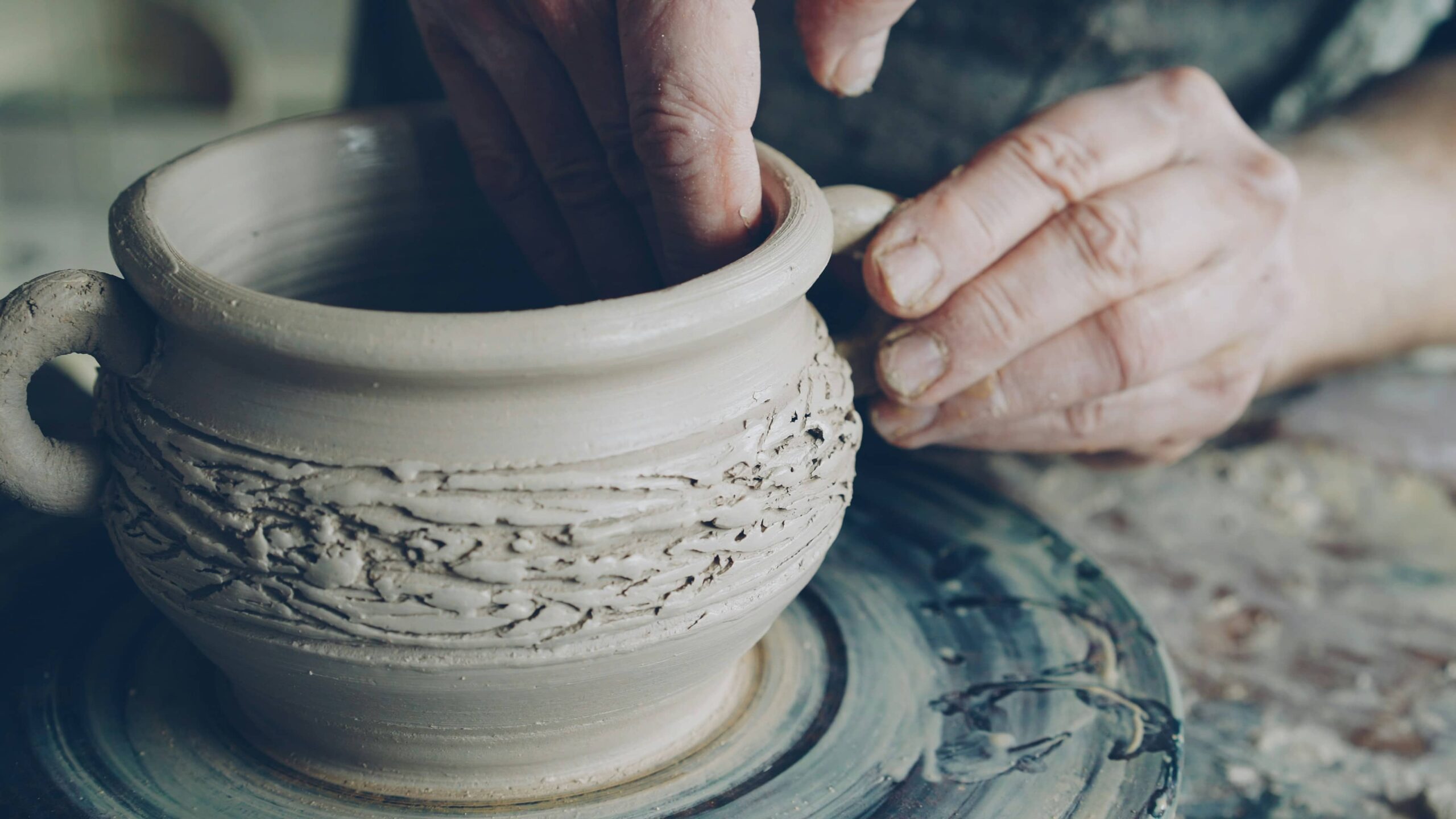
This month, we are partnering with Ceramic Souls in East Nashville for an event built around the idea that art is part of wellness. Watching people sit at pottery wheels, laugh, experiment, and make things with their hands reminded us how healing creative spaces can be. Additionally, we love that proceeds benefit The Goldfinch Foundation, a non-profit dedicated to empowering young people to lead the conversation on mental wellness. We hope you’ll join us on Saturday, May 16th at the studio.
Research increasingly supports something many people intuitively already know: creativity can have a meaningful impact on mental health. Studies have linked artistic and creative engagement with reduced symptoms of depression, improved emotional regulation, lower psychological distress, and greater life satisfaction.
In fact, one large UK study involving more than 23,000 participants found that people who regularly engaged in arts and cultural activities reported better overall mental well-being and lower levels of distress. Although creativity is not a replacement for therapy or mental health treatment, it can absolutely become part of a healthier, more connected life. In many cases, the benefits seem to come less from artistic talent and more from the experience itself: slowing down, expressing emotion, engaging our senses, and connecting with others.
How Creative Expression Helps Mental Health
While there are also many benefits to an increasingly technologically connected world, it can be hard not to feel constantly stimulated, or even overstimulated. Notifications, emails, social media, work demands, and endless ways of taking in information leave little room for quiet reflection or presence. Creativity invites something different.
When we are shaping clay, painting, writing, gardening, cooking, dancing, or making music, our attention naturally shifts toward the present moment. We become more attuned to our senses, focusing on texture, color, movement, sound, or sensations. For many of us, creative activities create a state of absorption that feels calming and grounding.
The Mental Health Benefits of Creative Activities
Research has shown that engaging in creative activities can reduce stress, lower anxiety, and improve mood. They may also help regulate the nervous system by giving our brain and body opportunities to slow down and shift away from constant vigilance or overthinking. Researchers believe creative activities may help support emotional regulation by encouraging focused attention, sensory engagement, and states of flow.
However, not every form of mindfulness has to look or feel like silent meditation. Sometimes mindfulness can look like our hands covered in clay. We may notice the way it feels on our fingers. Perhaps we also notice the internal pressure we feel to do it right. Simply noticing that can help us begin the process of offering ourselves more self-compassion.
Art Gives Emotions Somewhere to Go
We are not always able to explain what we feel in words. Sometimes emotions feel too complicated, too vulnerable, or too unclear to describe directly. Creative expression can offer another pathway.
Art allows us to externalize internal experiences. A painting, poem, sculpture, collage, or song can communicate feelings that may otherwise stay trapped internally. This is one reason expressive arts approaches can feel so powerful and emotionally meaningful for many people.
Research has found that creative interventions may be especially helpful for people navigating depression, grief, trauma, and chronic stress. Multiple studies have shown reductions in depressive symptoms among people engaging in artistic expression and creative programming. Creativity can sometimes help people access emotions that feel difficult to fully articulate through conversation alone.
Importantly, the value is not in whether the art is “good.” The healing often comes from the process itself rather than the final product. Creativity does not require expertise to be meaningful. In fact, letting ourselves make imperfect art can sometimes be part of the healing.
Creativity Can Reduce Isolation
Mental health struggles often thrive in isolation. Anxiety, depression, shame, grief, and stress can make us feel disconnected from ourselves and from others.
Creative spaces can help counter that isolation. There is something uniquely connecting about making things alongside other people, even without much conversation. Shared creative experiences can foster playfulness, vulnerability, curiosity, and community.
Group creative experiences may be especially meaningful because they combine two protective factors for mental health at once: self-expression and human connection.
Part of what stands out to us and is apparent when visiting Ceramic Souls is how quickly people seem to settle into themselves once they start creating. Conversations slow down. Phones disappear. People laugh more. Others become quiet and focused. Others connect with strangers while sitting side-by-side at the pottery wheel. It is a reminder that creativity does not only produce art. Sometimes it creates presence, connection, and a sense of aliveness that many people have been missing for a long time.
Connection can happen through deep conversation. It can also happen shoulder-to-shoulder while building something with our hands.
How Creativity Supports Emotional Well-Being
Many adults spend a significant amount of time focused on productivity. Over time, we can begin to define ourselves primarily through work, caregiving, responsibilities, or achievement. Creativity invites another side of identity back into the room.
Creative expression can help us reconnect with curiosity, imagination, spontaneity, and play, which are psychologically beneficial.
Play and creativity support flexibility, emotional resilience, and self-expression. They remind us that life is not only about performance or efficiency. Healing can also happen when people remember how to explore without needing to optimize every moment.
For some people, creativity also becomes a way of rediscovering parts of themselves that have been neglected for years.
You Do Not Have to Be an Artist
Here in Nashville, we often see how creative spaces can foster connection and emotional healing. One of the biggest misconceptions about creativity is that it only “counts” if someone is skilled.
You do not need formal training, an Etsy store, or a record contract to benefit from creative expression. Creative expression can be deeply personal and still incredibly valuable.
10 Fun Ways To Incorporate Creativity Into Your Day
There are many ways to be creative. Here are some of our favorites:
- Taking a pottery class
- Writing in a journal
- Rearranging a room
- Cooking or creating a new recipe
- Dancing in your kitchen
- Playing guitar badly but enthusiastically (or playing well, this is Nashville after all)
- Making collages
- Planting flowers
- Coloring with or without your child
- Knitting or woodworking
The goal is not to create a perfect product; rather, we want to delight in the new experience, with little attachment to the outcome.
Why This Matters for Mental Health
At Nashville Psych, we often talk about mental health in terms of connection, self-awareness, emotional expression, and nervous system regulation. Creativity intersects with all of those areas.
Creative experiences can:
- Reduce stress and anxiety
- Increase feelings of meaning and accomplishment
- Improve emotional expression
- Foster connection and belonging
- Encourage mindfulness and presence
- Support resilience during difficult seasons of life
At our practice, clinicians may incorporate creative or expressive elements into therapy when it feels supportive for a client, but we also believe creativity has value far beyond formal treatment settings. Pottery classes, music, movement, writing, painting, cooking, crafting, gardening, and other forms of creative engagement can all become meaningful ways people reconnect with themselves and others in everyday life.
Art alone is not a replacement for therapy or mental health treatment when deeper support is needed. However, creativity can absolutely be part of a fuller, healthier life. We believe mental wellness is not only about reducing symptoms. It is also about helping people feel more alive, connected, expressive, and engaged in their lives.
Making Space for Creativity Again
There are a lot of productivity hacks out there. This is not one of them. This is an invitation to experience more moments that help us feel human again. We deserve reminders that we are more than our schedules, inboxes, and responsibilities.
If creativity has fallen out of your life, it may be worth asking yourself what it would look like to invite it back in, even in small, imperfect ways.
If you are looking for a therapist who incorporates art into the work of therapy, we are happy to help. Reach out to our client care team via email, telephone, or schedule a brief consultation call.
Frequently Asked Questions
Can creativity improve mental health?
Research suggests creative activities may help reduce stress, support emotional expression, improve mood, and increase feelings of connection and well-being.
Do you have to be artistic to benefit from creativity?
Not at all. The mental health benefits of creativity often come from the process of exploring, expressing, and engaging rather than artistic skill or talent.
What creative activities are good for mental health?
Activities like pottery, painting, journaling, music, gardening, dancing, cooking, crafting, woodworking, and creative writing can all support emotional well-being.
Why does creativity feel calming?
Creative activities can encourage mindfulness, focused attention, sensory engagement, and states of flow, which may help people feel more grounded and present.
Can creativity help with stress and anxiety?
Many people find that creative expression helps them slow down, process emotions, and take a break from constant stimulation and overthinking.