

10 Ways To Support Your Mental Health After The Ice Storm
10 Ways To Support Your Mental Health After The Ice Storm
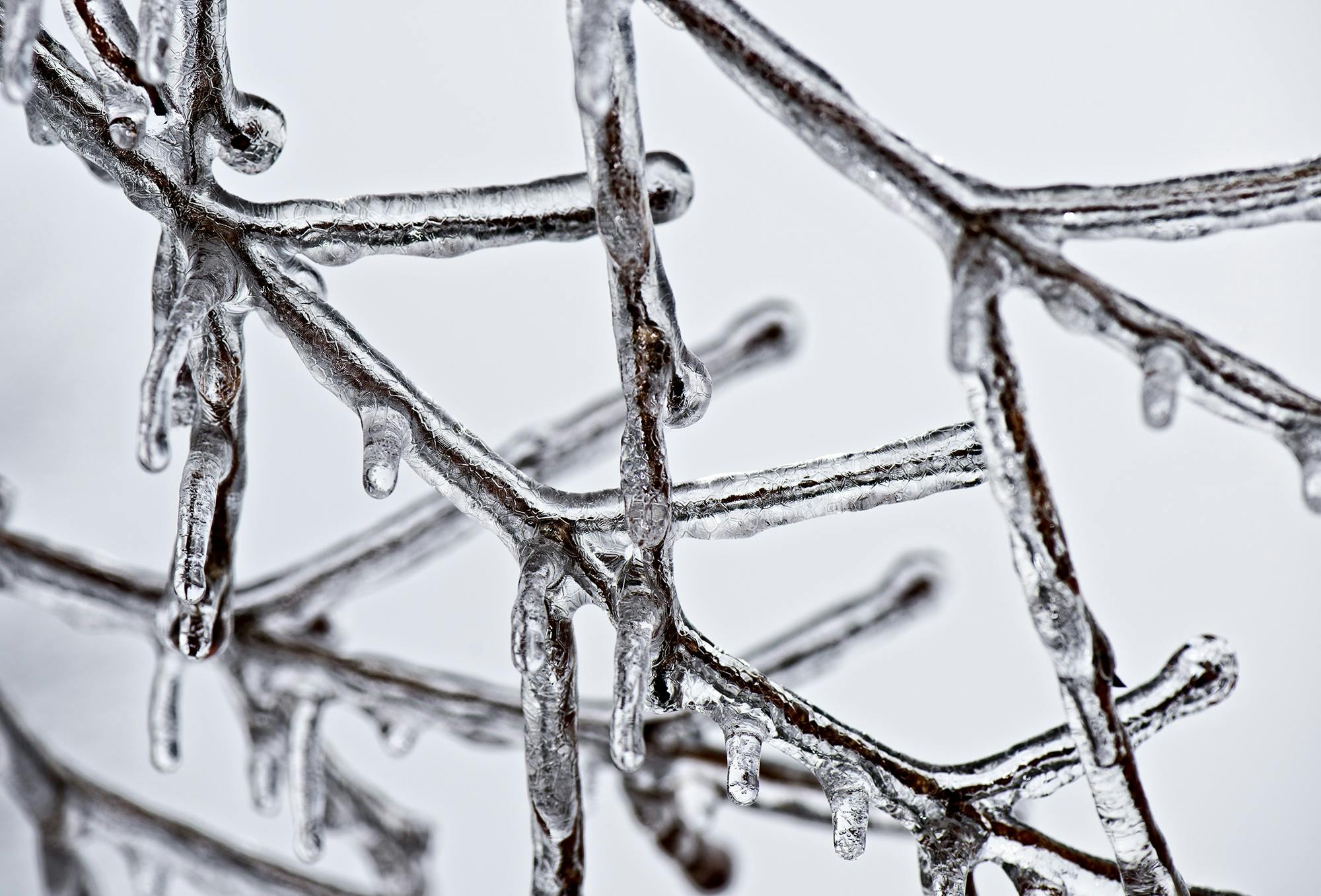
Middle Tennessee has just been through an unusual and stressful experience. Snow, ice, sleet, and extended temperatures below freezing have led to major disruptions for so many in Middle Tennessee. At the writing of this blog, there are still 107,277 customers without power (including this very author).
Many people dealt with fallen trees, damaged power lines, prolonged power outages, and unsafe roads. Schools and workplaces have closed or shifted suddenly. For so many, routines disappeared overnight. Even for those who avoided major damage, the constant monitoring of weather updates and infrastructure failures created a steady background hum of stress.
If you have noticed feeling more anxious, irritable, emotionally drained, or unsettled since the storms, you are not alone. Research and clinical experience both show that extreme cold weather and ice storms can have real and lasting effects on mental health, especially when they disrupt a sense of safety and predictability.
Why Ice Storms Can Feel So Disruptive
Ice storms tend to unfold slowly and unpredictably, which places a particular strain on our nervous systems. We wonder whether there will be damage, how we will be impacted, when it will take place, and may follow the news with vigilance.
Rather than passing quickly, ice storms can create layers of stress. Beyond the weather itself, many of us experience power outages, loss of heat, water disruptions, unsafe travel, isolation, and concern about damage. Each layer adds uncertainty, and together they can keep our nervous systems in a prolonged state of alert.
Research following major ice storms shows increased rates of anxiety, depression, and post-traumatic stress disorder (PTSD) symptoms. While symptoms ease over time, many people continue to experience lingering effects well after the storms have passed.
Stress hormone patterns during these events offer additional insight. Cortisol levels were elevated among many storm survivors. These patterns suggest that prolonged strain can affect how the body regulates stress over time. People may notice this as exhaustion, emotional numbness, irritability, difficulty concentrating, or a sense of being on edge long after daily life begins to look more normal again.
Lessons From Other Major Winter Storms
Research following Winter Storm Uri in Texas adds important context. That storm occurred alongside widespread power failures, water system breakdowns, and the ongoing stress of the COVID-19 pandemic.
Months later, many people continued to experience anxiety and depression, and crisis support usage remained elevated in the hardest-hit areas. These patterns reflect how emotional responses often unfold after safety has been restored and the nervous system begins to process what it has been carrying.
Why This Can Be Especially Hard for Parents and Caregivers
For parents and caregivers, winter storms often bring an added layer of strain. Many parents spent days managing their own stress while also helping children stay calm, warm, and emotionally regulated amid uncertainty.
School closures, disrupted childcare, and loss of routine increased the demands on families. Children may have had questions about safety, power outages, or visible damage, while parents held their own concerns quietly in the background.
Maintaining steadiness for children requires effort – and that effort can be tiring. After the storm passes, parents may notice feeling depleted, short-tempered, or emotionally worn down. Ongoing repairs, insurance processes, or financial strain can extend the stress well beyond the weather event itself.
Parents often feel pressure to regain a sense of normal quickly for their children. Giving ourselves space to acknowledge our own fatigue and anxiety supports both our wellbeing and our family’s adjustment.
The Weight of Carrying Responsibility Through the Storm
Across Nashville and Middle Tennessee, many people spent the storm period problem-solving, caregiving, and helping others. When attention is focused on logistics and safety, emotional reactions often wait.
As routines resume, it is likely that anxiety may become more noticeable. The nervous system begins to release tension that was held during the crisis. Rest assured, this delayed response is a common part of recovery after periods of sustained stress. It is normal and will not last forever.
Who Tends To Feel The Stress The Longest
Storm-related stress affects people differently. Research shows that individuals facing higher baseline stress or fewer resources often experience stronger and longer-lasting effects after disasters. Racial and ethnic minority communities, people with disabilities, caregivers, and those who experienced prolonged power or water loss carry a greater psychological burden. When stressors accumulate, recovery may take longer.
Cold Weather and the Body’s Stress Response
Cold exposure activates systems that help the body maintain warmth and energy. During winter months, stress hormone activity tends to be higher, and the nervous system may be more sensitive to ongoing demands.
We also know that shorter daylight hours affect sleep and mood regulation. We are less likely to exercise and we often spend less time socializing. Anticipating icy roads or future disruptions can keep the body in a state of vigilance. When environmental stress continues after a storm, anxiety can take longer to settle.
Acknowledging Those Without Basic Needs
It’s also important to pause and acknowledge that not everyone is in a position to focus on recovery yet. Many in our community are still without power, heat, reliable water, or safe living conditions. For those navigating ongoing outages, home damage, financial strain, or displacement, the stress is not over.
When basic needs are not met, anxiety is not just understandable, it is expected. Your nervous system is doing exactly what it is designed to do: stay alert in the face of uncertainty. If you are still in survival mode, there is nothing wrong with you, and there is no timeline you are expected to follow.
The suggestions below are offered gently, with the understanding that not all of them will be accessible to everyone right now. Even one small moment of warmth, rest, or connection can matter. If today is about getting through the day safely, that is more than enough.
Ways To Support Mental Health Recovery After Winter Stress
Here are 10 grounding things people can do to help reduce anxiety and support a sense of steadiness after stressful winter weather or disruption.
- Re-establish small daily routines, even simple ones like having coffee at the same time each morning or taking a short walk at a predictable hour. Consistency helps the nervous system feel safer.
- If possible, prioritize physical warmth by layering clothing, keeping living spaces comfortably heated, and using warm showers, tea, or blankets to support relaxation.
- Get daylight exposure earlier in the day. Stepping outside, sitting near a window, or using a light lamp (we love our “happy light”) can support mood and sleep regulation.
- Move your body gently and regularly. Walking, stretching, yoga, or even moving around the house can help release stress hormones and reduce muscle tension.
- Limit constant monitoring of news and weather updates. Choosing set times to check information helps us reduce ongoing vigilance and mental overload. It can feel necessary but it’s really just feeding our anxiety.
- Reconnect socially in small, manageable ways. A text, short phone call, or brief visit can help counter isolation and remind your system that support is available.
- Support sleep by keeping a consistent bedtime and wake time, even if sleep quality has been disrupted. Routine matters more than perfection.
- Nourish your body with regular meals and hydration. Skipping meals or irregular eating can increase anxiety and physical stress responses.
- Name what you went through, even briefly. Even if you never lost power, this experience was probably stressful. Even if your power came on in one day versus two or ten, you still went through something. Talking about the disruption or writing it down helps the brain process and integrate the experience.
- Be patient with yourself as things settle. Feeling emotionally off after a stressful period is a common response, and steadiness often returns gradually rather than all at once. We highly recommend trying out a guided self-compassion meditation from Kristen Neff.
The Need For Self-Compassion
If anxiety, fatigue, or emotional sensitivity are still present weeks after the storms, this reflects a nervous system responding to real disruption. Extreme weather reminds us how our mental health is greatly shaped by physical and emotional safety, environment, and routine. It is normal to feel thrown off by a winter storm – and normal to not just snap out of it.
At Nashville Psych, we help clients understand and manage anxiety within the context of their lives and environments. If the recent winter weather has left you feeling unsettled or overwhelmed, support is available. We are here for you. Feel free to reach out to our client care team via email, telephone, or by scheduling a brief phone consultation.